Starting from Tilted to Level: Enhance Your Portable Home Equilibrium


If you own a trailer home, you may have realized the subtle signs that indicate your home is not quite level. From How to level a mobile home that stick to windows with cracks, an uneven mobile home can lead to a variety of problems, affecting both your comfort and the integrity of your investment. Grasping how to level your mobile home is not just about aesthetics; it’s about ensuring a secure and dependable living environment for you and your family. In this piece, we will walk you through the thoroughly detailed step-by-step process of leveling your mobile home, covering a range of topics including essential tools to addressing uneven floors.
Leveling a mobile home may look like a formidable task, but with the right information and a small amount of determination, you can take on this do-it-yourself project confidently. Whether you are facing the challenges of leveling on a hilly site or dealing with the usual pitfalls of an uneven foundation, our comprehensive guide will enable you understand why leveling is important and how to begin. Come with us as we explore the strategies, materials, and upkeep suggestions to transform your mobile home from tilted to balanced, ensuring long-term stability and peace of mind.
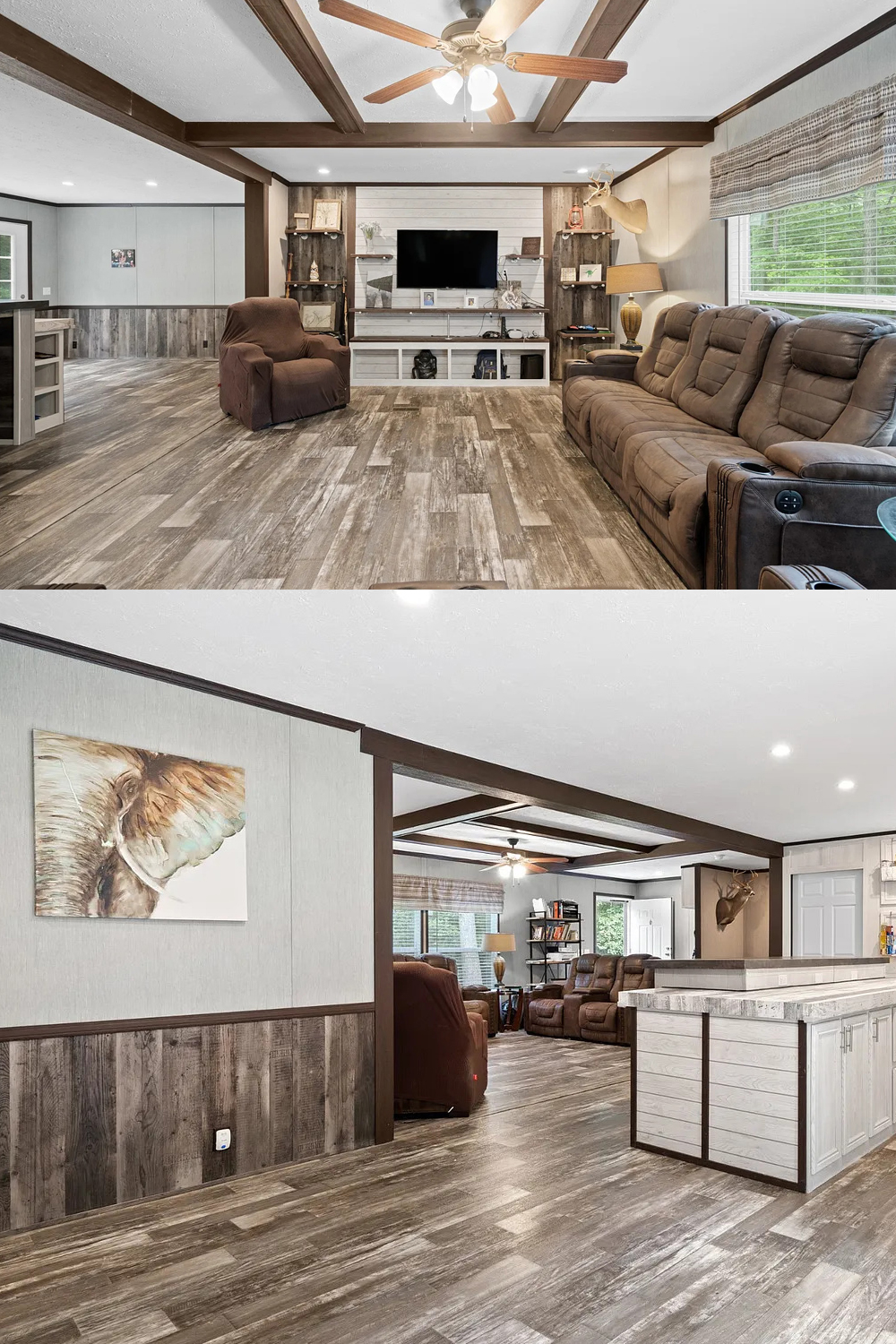
Understanding the Value of Leveling Your Mobile Home
A correctly leveled mobile home is essential for both stability and comfort. When a mobile home is not level, it can lead to a number of problems, like uneven floors, sticking doors, and cracked walls. These problems not only affect the day-to-day livability of your home but can also lead to more significant damage over time. Making sure that your mobile home is level helps maintain its overall balance and prevents costly repairs down the line.
In addition to preventing physical damage, leveling your mobile home can have a significant impact on its future value. An uneven home can turn away potential buyers and may drastically lower your property value. By emphasizing leveling, you are preserving your investment and ensuring that it remains an appealing option for future buyers. This forward-thinking approach can save you both time and money in the future, making it a wise decision for any homeowner.
Ultimately, understanding the value of leveling extends beyond mere convenience; it also improves the safety of your living environment. A mobile home that is uneven can experience undue stress on its framework, leading to hazards for its occupants. Furthermore, if you live in an area prone to harsh weather conditions, a solid and level foundation can help your home endure environmental stresses better. By ensuring to keeping your home level, you are creating a safer and more stable sanctuary for yourself and your family.
Important Tools and Methods for DIY Leveling
To effectively level your mobile home, acquiring the necessary tools is key. Start with a reliable level, such as a liquid level or light level, to ensure accuracy throughout the process. You will also need a selection of jacks, like a mechanical jack or car jack, to help raise your home safely. Additionally, having cinder blocks, shims, and a socket set on hand will assist in stabilizing the foundation once the leveling is done. These tools will enable a quicker and effective leveling job.
In furthermore to tools, employing the correct techniques will result in a substantial difference in your leveling efforts. Begin by evaluating the current level of your mobile home, using your chosen leveling tool to determine which areas are high or lowered. Once identified, strategically place jacks at the appropriate locations under the home to raise it slightly as needed. Gradually modify the height of each jack, taking care to lift the home uniformly and avoiding any abrupt shifts that could cause added stresses to the structure.
Finally, after achieving a level position, lock down the frame and foundation of your mobile home. This may involve adjusting shims and blocks to fill any gaps, ensuring that all support systems are adequately aligned. Periodically checking the level and making necessary adjustments can help preserve stability over time. By combining the right tools with thoughtful techniques, you can effectively undertake the task of leveling your mobile home and enjoy the continued benefits that come with a stable living environment.
Signs That Your Mobile Home Requires Leveling and Prompt Actions
Homeowners often overlook the indicators that indicate their mobile home could be out of level. One frequent symptom is doors that stick or don’t shut properly. If you observe that doors in your home are misaligned or if they open to and fro, it may be a sign that your home’s foundation is moving. Likewise, windows that are difficult to open or show fractures around the frames can signal an uneven foundation.
Another obvious sign is the appearance of cracks in walls or flooring. Inspect for fissures along drywall seams or in your floor, especially around corners and where the walls meet. Uneven floors, which can feel soft or create visible lumps, should also raise alarms. If you detect these issues, it’s vital to take immediate action to assess the level of your home.
To address these concerns, begin by checking the level of your mobile home using a leveling tool or water level. If you determine that your home is indeed out of level, consider jacking it up appropriately and securing any weak points. If the issues persist after DIY leveling efforts, or if the problem appears severe, it may be sensible to consult a specialist to ensure the safety and integrity of your home. Taking these prompt actions can prevent more major structural problems in the future.
Lonestar Mobile Home Leveling & Skirting
276 County Rd 1700
Clifton, TX 76634
(254)266-5369